Category: Medieval & Renaissance Studies

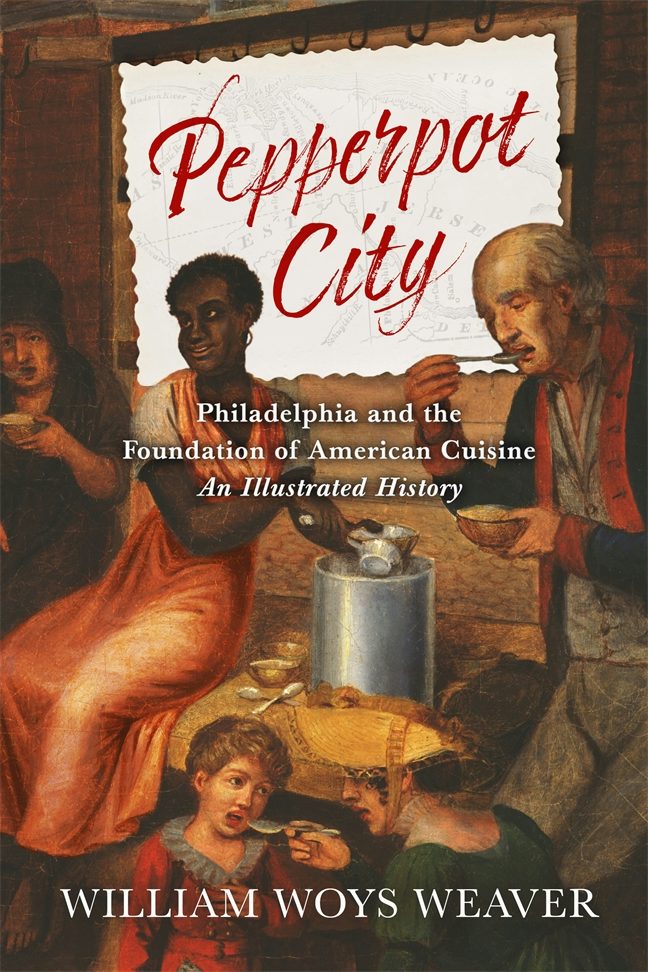
Early Modern Monday: Where In the World is Tecamachalco?

Spaniards in town came from different regions of the Peninsula, including Andalusia, the Basque country, Castile, and Extremadura. Among them, a Portuguese migrant could settle, marry a local mestiza, and have a castizo son (strictly speaking, the offspring of Spanish and mestizo parents); that son would eventually marry a mestiza and expect his share of the Indian service to which Spanish landowners were entitled. By the 1570s, the casta system developed by Spanish authorities to establish a clear racial hierarchy was only beginning to take shape. Yet life in a small community like that of Tecamachalco could breed a familiarity that often wrested importance from those racial differences.
Medieval Monday: Five Myths about Medieval Women and Power

The Middle Ages isn’t generally thought of as a period friendly to women at all, much less to powerful ones. Still, we’re all familiar with a handful of medieval and early modern women who had extraordinary influence: Eleanor of Aquitaine, Isabella of Castile, Elizabeth I of England. The subject of my book, Berenguela of Castile, is one of their lesser-known peers. But the focus on women like Berenguela as “exceptions to the rule” has the strange effect of reinforcing old myths about medieval women.

Medieval Monday: Ruth Mazo Karras on a Case of Medieval Unmarriage

Those in search of simple, old fashioned models of love and marriage might be disappointed by some of the realities of medieval coupling. “Tradition is always invented,” says Karras, who reminds us that the traditional marriage that people in the twenty-first century have invented for themselves is not really that similar to the state of matrimony in the Middle Ages.